
Consumer Health Informatics (CHI)
What is Consumer Health Informatics?
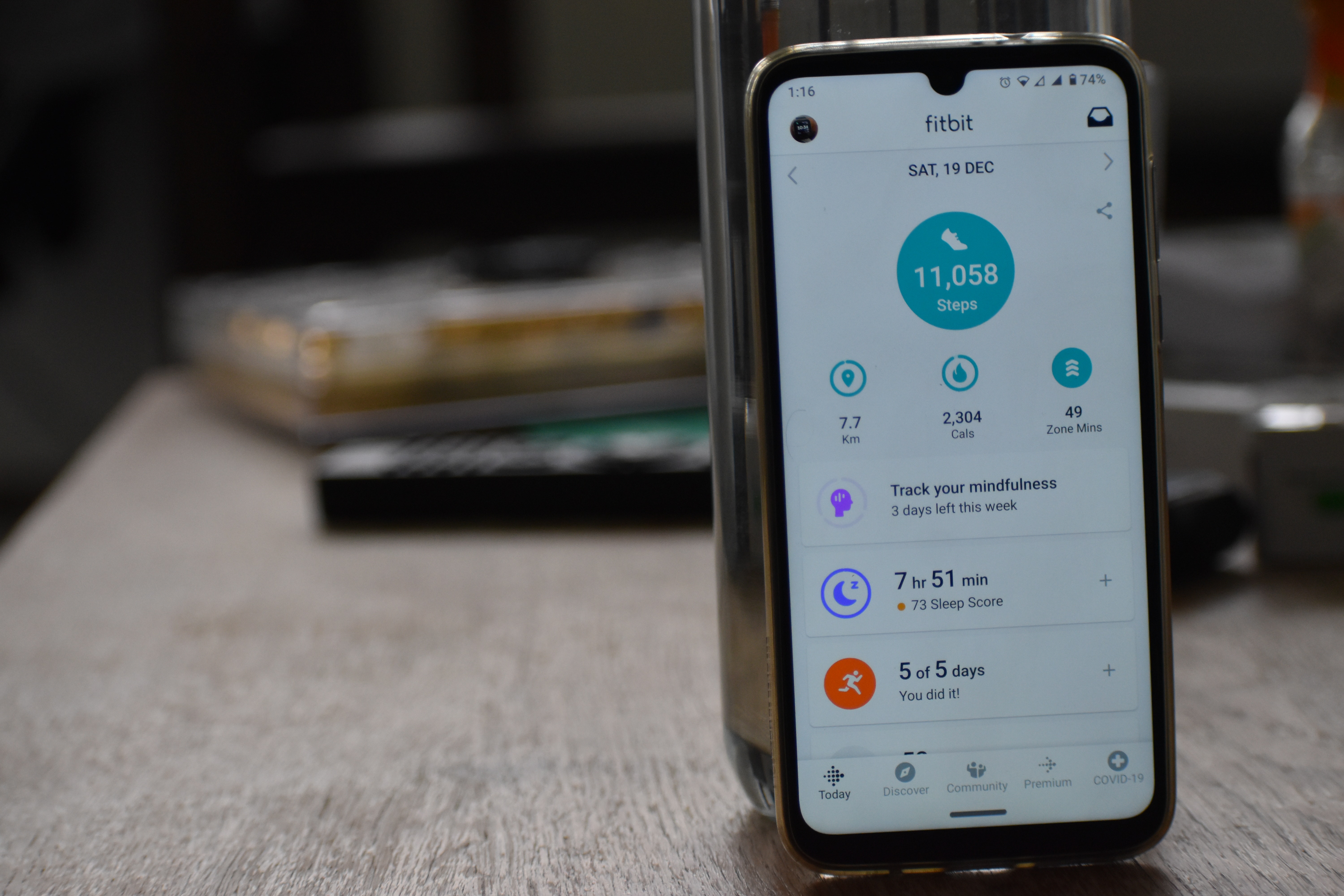
Consumer Health Informatics can be understood as the study and practice of information systems designed to serve patients, carers, and the general public in managing their health.
It is an emerging interdisciplinary field at the intersection of medical informatics, biomedical engineering, information science, and applied computing. The field addresses the following key dimensions, with a particular emphasis on the potential of information and communication technologies (ICT):
- Information support for healthy lifestyles in the general, asymptomatic population.
- Information support for patients living with a diagnosed condition.
- Understanding the information needs and expectations of these groups as key stakeholders in health and healthcare.
- The changing relationship between patients and healthcare professionals driven by new ICT possibilities.

Why does this matter?
Consider the course of the COVID-19 pandemic and the efforts to deploy contact-tracing applications as a key tool for managing the crisis. Despite the good intentions behind these initiatives, many of them fell short of expectations. Developers arguably underestimated the extent to which the success of such apps depends on the willingness of end users – potential patients – to install and actively use them. That willingness, in turn, is shaped by a complex set of factors, including psychosocial ones.
We believe computing professionals can do more.
Our aim is to investigate problems that can inform the design of user-friendly and socially compatible IT solutions for patients and other end-user groups.
Ongoing Projects
ENCOURAGE-ME
Engaging Coaching Outreach for Resilience in the Age of Chronic Fatigue: Education, Management and Empowerment for Myalgic Encephalomyelitis/Chronic Fatigue Syndrome
ME/CFS (myalgic encephalomyelitis/chronic fatigue syndrome) is a serious chronic illness that significantly limits daily functioning. In the Czech Republic, patients frequently face a lack of information, fragmented care, and poor recognition within the healthcare system. ENCOURAGE-ME addresses this directly.
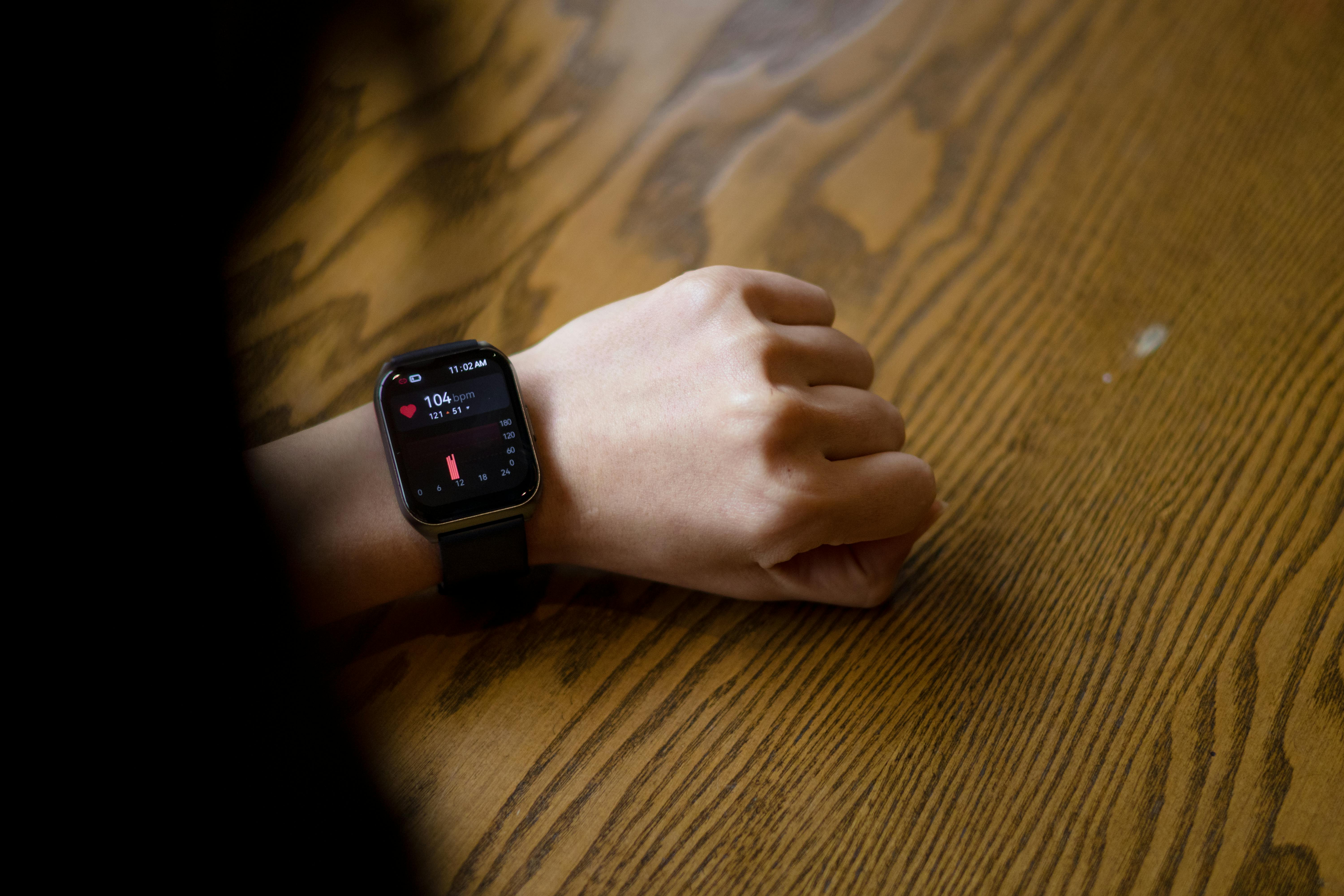
The Czech part of the project is led by our team at the Faculty of Informatics and Statistics, Prague University of Economics and Business. We focus on three areas: mapping the experiences of people with ME/CFS in the Czech Republic through in-depth interviews, developing a platform for sharing patient narratives, and objectively monitoring daily activity using wearable devices – with the aim of documenting the disease's impact that patients have long described. Clinical oversight is provided by the project's consortium partners and Czech medical advisors.
The project brings together teams from Latvia (coordinator: Rīga Stradiņš University), Canada, France, and Italy. The study is registered in the international ISRCTN registry.
We are looking for participants – adults aged 18 and over with a diagnosis of ME/CFS or suspected ME/CFS. Involvement starts with a short online screener; no commitment is required. → FAQ (PDF, in Czech)
More about the project (in Czech) → Official project website (RSU) ↗
THCS/Horizon Europe • Grant Agreement No. 101095654 • 2026–2029

Exploring the Potential of Large Language Models for Health and Well-being Promotion
This project investigates the potential of Large Language Models (LLMs) for digital health interventions, with a focus on mental health and well-being in non-clinical and self-directed contexts. It covers a systematic review of existing LLM-based mental health applications, dataset creation, evaluation of personalised recommendation systems using interpretable machine learning, and the design of a robust IT architecture for personalised health interventions.
Internal Grant Competition, FIS VŠE • Research project • IGS 44/2025 • Duration: 24 months (2025–2026)
Activities
Our work is organised around three main areas.
Research and Development
Working at the intersection of informatics, the social sciences, and health-related disciplines, we conduct both traditional empirical research and design-oriented work aimed at developing innovative software solutions (Design Science Research).
Teaching
We draw on our research and the wider scientific literature in our teaching at bachelor's and master's level, particularly within the Applied Informatics, Information Systems and Technology, and Information Management programmes. We also supervise theses and doctoral students.
Consulting
Through consulting and hands-on technical work – primarily software development and testing – we can assist with the design, implementation, or evaluation of new services and software solutions in the field of digital health.
Selected reading – academic articles
Demiris, G. (2016). Consumer Health Informatics: Past, Present, and Future of a Rapidly Evolving Domain. Yearbook of Medical Informatics, 25(S 01), S42-S47. Link
Eysenbach, G. (2000). Consumer Health Informatics. BMJ, 320(7251), 1713-1716. Link
Hickmann, E., Richter, P., & Schlieter, H. (2022). All Together Now: Patient Engagement, Patient Empowerment, and Associated Terms in Personal Healthcare. BMC Health Services Research, 22(1), 1-11. Link
Pandita, D. (2022). Consumer Health Informatics: Engaging and Empowering Patients and Families. In Clinical Informatics Study Guide (pp. 351-374). Springer, Cham. Link
Selected reading – websites
Digital Healthcare Research (Agency for Healthcare Research and Quality)
Der Digitale Patient / The Digital Patient (in German and English)
Our publications
Svandova, K., & Smutny, Z. (2026). Barcode Medication Administration Technology and Minimisation of Workarounds and Deviations from Designed Processes: A Systematic Review and Extended Typology of Clinicians' Workarounds. Human Behavior and Emerging Technologies, 2026, Article 7527482. Link
Dolezel, M., Vetrovsky, T., & Elavsky, S. (2026). A Preliminary Czech Version of mHealth App Usability Questionnaire (CZpre-MAUQ): Results from the First Translation Iteration and a Comparison with UEQ. Procedia Computer Science, 278, 1425–1434. Link
Dolezel, M. (2025). Avoiding a Telemedicine Regional Battle: Lessons From Republic of Korea's Platform War for Czechia and Beyond. Journal of Korean Medical Science, 40(37), e290. Link
Dolezel, M., & Liskovec, R. (2025). Reference and Solution Architecture for GenAI- and GIS-Enhanced Physical Activity Interventions: Towards Implementing the AI4Motion Platform. Journal of Medical Systems, 49, 150. Link
Oberschmidt, K., Grunloh, C., Doherty, K., Wolkorte, R., Sassmannshausen, S. M., Siering, L., Cajander, A., Dolezel, M., Lifvergren, S., & van Den Driesche, K. (2024). Stakeholder skill training in participatory health research: themes and topics for future research. In Ambient Assisted Living Italian Forum 2024. Link
Svandova, K., & Smutny, Z. (2024). Internet of Medical Things Security Frameworks for Risk Assessment and Management: A Scoping Review. Journal of Multidisciplinary Healthcare, 17, 2281–2301. Link
Dolezel, M., & Smutny, Z. (2023). Adoption of a COVID-19 Contact Tracing App by Czech Youth: Cross-Cultural Replication Study. JMIR Human Factors. 10:e45481. Link
Premanandan S., Ahmad A., Cajander A., Agerfalk P., Dolezel, M., van Gemert-Pijnen L. (2023). Designing a Mobile e-Coaching App for Immigrant Informal Caregivers: Qualitative Study Using the Persuasive System Design Model. JMIR MHealth UHealth. 11:e50038. Link
Dolezel, M., & Cajander, A. (2022). Towards Mapping of Information Technology-Induced Alterations in Online Physicians' Professional Identities: A Conceptual Framework and Empirical Illustrations from Sweden. In Scandinavian Conference on Health Informatics (pp. 69-76). Link
Oberschmidt, K., Grunloh, C., Doherty, K., Wolkorte, R., Sassmannshausen, S. M., Siering, L., Cajander, A., Dolezel, M., Lifvergren, S., & van Den Driesche, K. (2022). How To Train Your Stakeholders: Skill Training In Participatory Health Research. In Adjunct Proceedings of the 2022 Nordic Human-Computer Interaction Conference (pp. 1-4). Link
Dolezel, M., & Smutny, Z. (2021). Usage of eHealth/mHealth services among young Czech adults and the impact of COVID-19: An explorative survey. International Journal of Environmental Research and Public Health, 18(13), 7147. Link
Selected student theses
Racek, J. Design and Validation of a Mobile Application Implementing Gamification Elements to Improve Treatment Adherence in Patients with Type 1 Diabetes [online]. Prague, 2023. Available at: link. Master's thesis, Prague University of Economics and Business. (Dean's Award, FIS VŠE, 2023)
Davidik, D. Mobile Application Supporting Mindfulness Practice: Breathing and Meditation Exercises. Online. Master's thesis. Prague: Prague University of Economics and Business. 2024. Available at: link (Dean's Award, FIS VŠE, 2024)
Slavev, M. Mobile Application Supporting Mindfulness Practice: Stress Indicators and User Engagement. Online. Master's thesis. Prague: Prague University of Economics and Business. 2024. Available at: link
Collaborating institutions
Department of Human Movement Studies, University of Ostrava, Czech Republic.
Department of Information Technology, Uppsala University, Sweden.
Frequently Asked Questions
-
What is the origin of the term Consumer Health Informatics?
The term emerged in the Anglo-American context in 1993 and is closely associated with Tom Ferguson (1943-2006), a physician, writer, and visionary. The field was originally defined as "the study, development and implementation of computer and telecommunications applications designed to be used by consumers in healthcare." This reflected Ferguson's vision that "the next generation of medical computer systems will serve the patient, not just the physician" (Demiris, 2006). Gunther Eysenbach, founder of the Journal of Medical Internet Research, is widely regarded as one of the key figures continuing Ferguson's intellectual tradition.
-
How does Consumer Health Informatics differ from telemedicine?
 Source: Eysenbach, G. (2000).
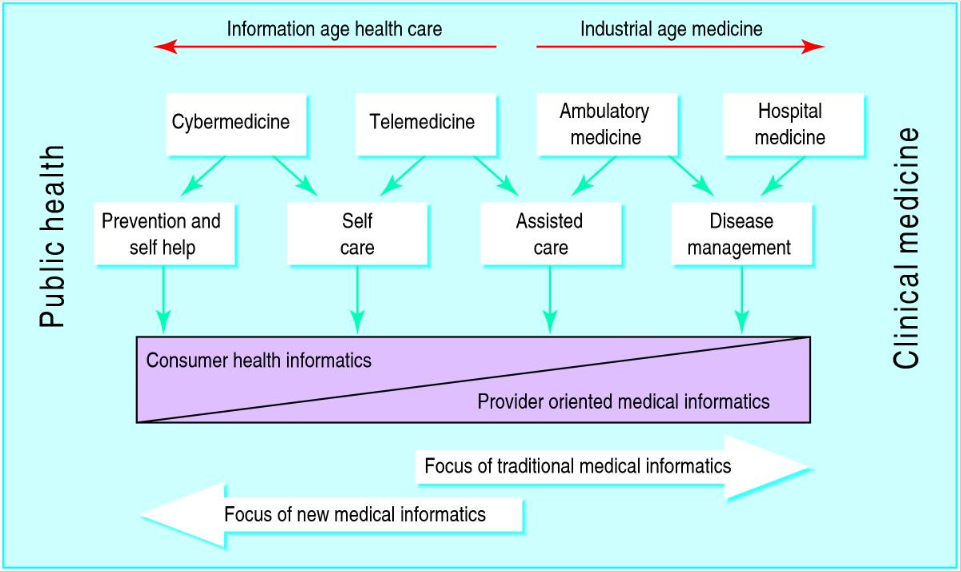
Put simply, telemedicine emphasises the remote delivery of care by healthcare professionals, whereas Consumer Health Informatics focuses on the information needs of the lay public. Telemedicine belongs to what is known as provider-oriented medical informatics – the traditional strand of health informatics. From a technological standpoint, however, both fields draw on the same tools: eHealth and mHealth.
In terms of academic identity, Consumer Health Informatics is distinctly multidisciplinary, shaped not only by medicine and informatics but also by nursing, social work, health psychology, and related disciplines.
Consumer Health Informatics is widely regarded as one of the most dynamic areas within health informatics today, driven by a broader shift towards patient empowerment, proactive self-management, and the emerging personalisation of medicine.
-
I am a student at FIS VŠE – can I write my thesis in the area of CHI?
As a first step, we recommend getting in touch with a member of our team who is affiliated with your department and discussing your idea with them. It is also worth considering carefully whether your proposed topic genuinely falls within applied informatics. While the disciplinary boundaries are often blurry, the topic should primarily address the consumer-facing aspects of health IT – rather than, say, the design of continuous ICU monitoring systems, which belongs to a different academic tradition.
-
PhD at CHI: What does a typical doctoral trajectory look like in the CHI Lab?
Doctoral study in the Applied Informatics (computing) programme runs for four years (eight semesters). Full-time enrolment requires doctoral candidates to dedicate 70% of their working time to research and study – roughly three and a half days per week, as stipulated by faculty regulations. A doctoral programme is not a continuation of master's study: coursework forms only a small part of the individual study plan and is primarily there to provide the methodological and theoretical grounding needed for independent research. The core of the programme is original scientific work, close collaboration with the supervisor, and involvement in the lab's research activities. The programme is structured around three colloquia, a pre-defence, and the final dissertation defence at the end of the fourth year. Under Czech higher education law, full-time doctoral candidates are entitled to a guaranteed monthly income of at least 1.2 times the statutory minimum wage (currently approximately CZK 25,000). Our aim is for doctoral candidates in the lab to have opportunities to supplement this income through participation in research projects.
-
PhD at CHI: What courses will I take?
The programme requires a total of four courses: one compulsory (IT_910 Foundations of Academic Research, a standard lecture-based course), two electives chosen from the informatics departments' catalogue, and one further elective agreed with the supervisor. Beyond these, much of the learning takes place through individual consultations and independent study. Within the CHI Lab, we recommend IT_911 Methods of Design Science and Qualitative Research as the fourth course, since research in human-computer interaction regularly calls for solid qualitative skills. Those interested in the social dimensions of technology may also find SA_902 Social Aspects of Information Technology a useful choice. Given the lab's interdisciplinary orientation, a strictly technical background is not a prerequisite – doctoral candidates with a background in psychology, anthropology, or other social sciences are welcome, provided their research interests fall within the broader framework of Applied Informatics.
-
PhD at CHI: What are the expected research outputs?
We expect doctoral candidates to begin work on their first publication – typically a conference paper or a scoping review – already during the first semester, and to submit a journal manuscript by the end of the second semester. Target journals include both digital health venues (JMIR AI, Journal of Medical Systems) and journals at the interface of psychology and HCI such as Computers in Human Behavior (Elsevier) or Behaviour & Information Technology (Taylor & Francis). By the end of the third semester, the doctoral candidate is expected to present at an international conference; by the end of the second year, to complete a research stay abroad. Our ambition is for the dissertation to take the form of a publication-based thesis – ideally three articles in Q1/Q2 journals (WoS/Scopus), or two journal articles complemented by a paper at a recognised informatics conference rated CORE A*/A/B (an internationally used quality ranking for computing conferences, broadly comparable to impact-factor journals in other fields).
Our Team
We are a lab of academics and doctoral candidates investigating the potential of information technology in healthcare from the end-user perspective. The CHI Lab is part of the Human-Centred Computing & Information Systems (HCCIS) research group at FIS VŠE. We welcome collaboration with clinicians, health professionals, computer scientists, and other experts from institutions in the Czech Republic and internationally. We are also open to applied research partnerships with industry.

Michal Dolezel, Ph.D.
Lab Lead | Assistant Professor (FIS VŠE) | Postdoctoral Researcher (University of Ostrava)He graduated in electrical engineering, computer science, and biomedical engineering from Brno University of Technology (2004) and received his doctorate in Applied Informatics (computing) at Prague University of Economics and Business (2017). He was a visiting researcher at the University of Innsbruck (Austria) and Uppsala University (Sweden). He cooperates with the Patient Council of the Czech Minister of Health, working group for eHealth.

Zdenek Smutny, Ph.D., Assoc. Prof.
Associate Professor (FIS VŠE) | Senior Research Associate (University of Ljubljana)He studied cognitive informatics and social and media communication. Habilitated in Applied Informatics at Prague University of Economics and Business (2021, appointed associate professor). He was a visiting researcher at the University of Ljubljana (Slovenia), where he is now also a Senior Research Associate at the Centre for Social Informatics. His primary research area is social informatics, with many health-related aspects intertwined.

Katerina Svandova, M.Sc.
Doctoral Candidate (FIS VŠE)She is a doctoral candidate in the Applied Informatics programme. Her dissertation research focuses on information support in healthcare facilities, with a particular interest in the traceability of medical devices and the role of information technologies for different end-user groups.

Martin Matych, M.Sc.
Doctoral Candidate (FIS VŠE)He holds degrees in biomedical engineering and bioinformatics from Brno University of Technology, where he worked on machine learning applications in medicine during his studies. As a doctoral candidate at Prague University of Economics and Business, he investigates the potential of large language models and wearable electronics in digital health. He also collaborates with the research team at the ICRC of St. Anne's University Hospital in Brno on the identification of novel biomarkers for patient risk stratification.
Contact
The lab is based primarily at the Faculty of Informatics and Statistics, Prague University of Economics and Business.
CHI Lab
nam. W. Churchilla 1938/4
Prague 3, 130 67
michal.dolezel () vse.cz
+420 224 09 5476